
UK’s West Midlands signs MoU with Malaysia to support transport innovation
 UK’s West Midlands signs MoU with Malaysia on transport innovationThe West Midlands Combined Authority and the Iskandar Regional Development Authority will share knowledge, ideas and lessons learned from within the urban and transport planning realms.
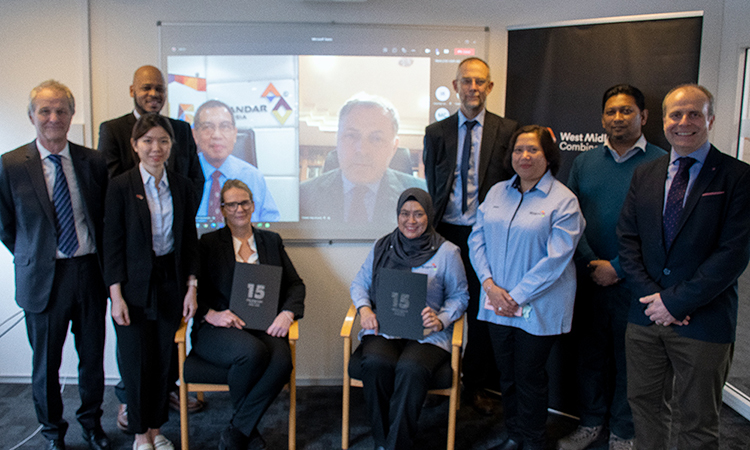
The West Midlands Combined Authority (WMCA) has signed a Memorandum of Understanding (MoU) with a Malaysian government body to co-operate in the area of transport innovation and smart cities development for the next three years.
The MoU with the Iskandar Regional Development Authority (IRDA) will be an opportunity for the West Midlands to share knowledge, ideas and lessons learned from within the urban and transport planning realms, as well as promote mutual recognition of international design standards for inclusive transport.
The virtual signing of the MoU took place at the Transport for West Midlands (TfWM) Regional Transport Coordination Centre (RTCC).
The signing saw TfWM’s Interim Managing Director, Anne Shaw, putting pen to paper for the WMCA, alongside representatives from IRDA and the British High Commissioner to Malaysia, His Excellency Charles Hay, who joined either in person or virtually.
https://www.civilengineering.ai/uks-west-midlands-signs-mou-with-malaysia-to-support-transport-innovation/
 China Tech Digest: Tencent Unveils IDC Operation Robot; Baidu Apollo To Build Intelligent Transportation In HuangpuTencent unveils IDC operation robot
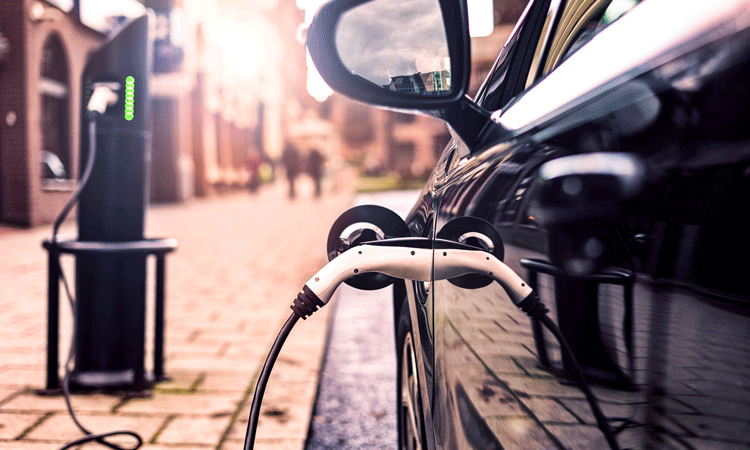 Report outlines actions needed to accelerate EV charging deploymentA new World Business Council for Sustainable Development report has highlighted key business and policy actions that can improve the case for sustainable EV charging infrastructure implementation.
 Mobile ticketing launched on Osaka MonorailUsers of the Japan Transit Planner and Norikae Annai journey planning MaaS apps can now benefit from mobile ticketing when travelling on the Osaka Monorail.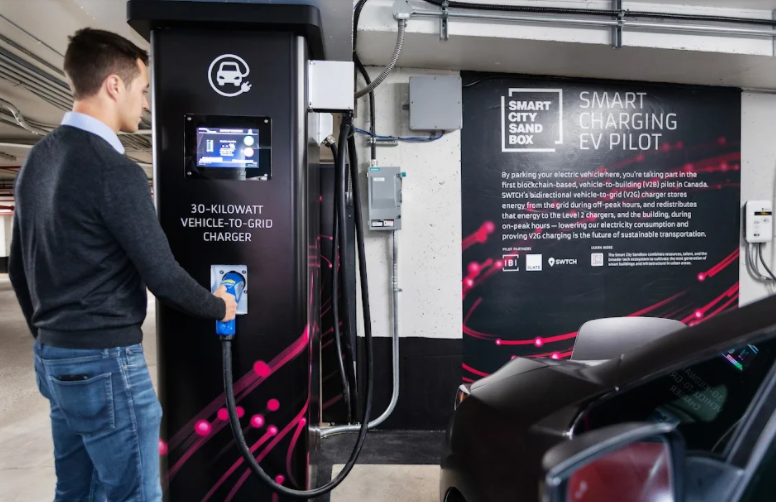
 Canadian Electric Vehicle-To-Grid Project Uses BlockchainElectric vehicles have a number of benefits that gas-powered ones do not. To name just a few, they have zero direct toxic emissions, they produce very little road noise, they have fewer moving parts that need replacement or repairs, and in some cases their batteries can be re-purposed for second life use in stationary energy storage products. Another advantage is vehicle-to-grid technology (V2G), which allows plugged-in EVs to draw electricity from the grid and they can also send it back.
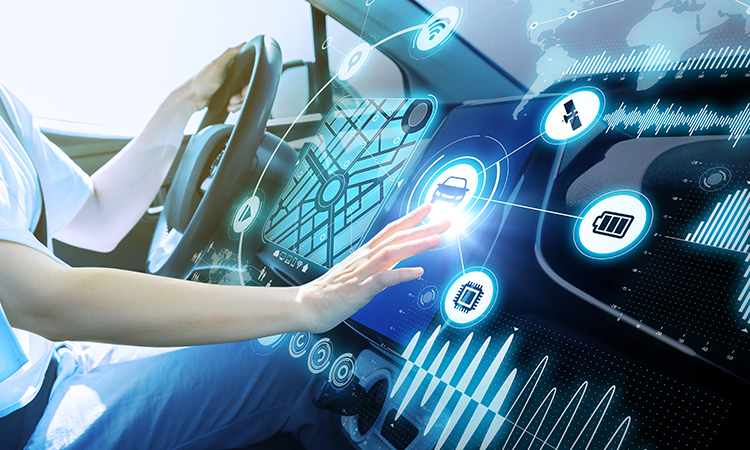 Connected cars: The race for the car of the futureFor Intelligent Transport, Osborne Clarke’s Arty Rajendra and Matthew White consider how connected technologies are disrupting the automotive industry and discuss what the future of car connectivity may look like, as well as outline the legal challenges that are being faced by the sector in this field.


